
Concord, CA · Garage Door Service
What We Check First on a Concord Garage Door Call
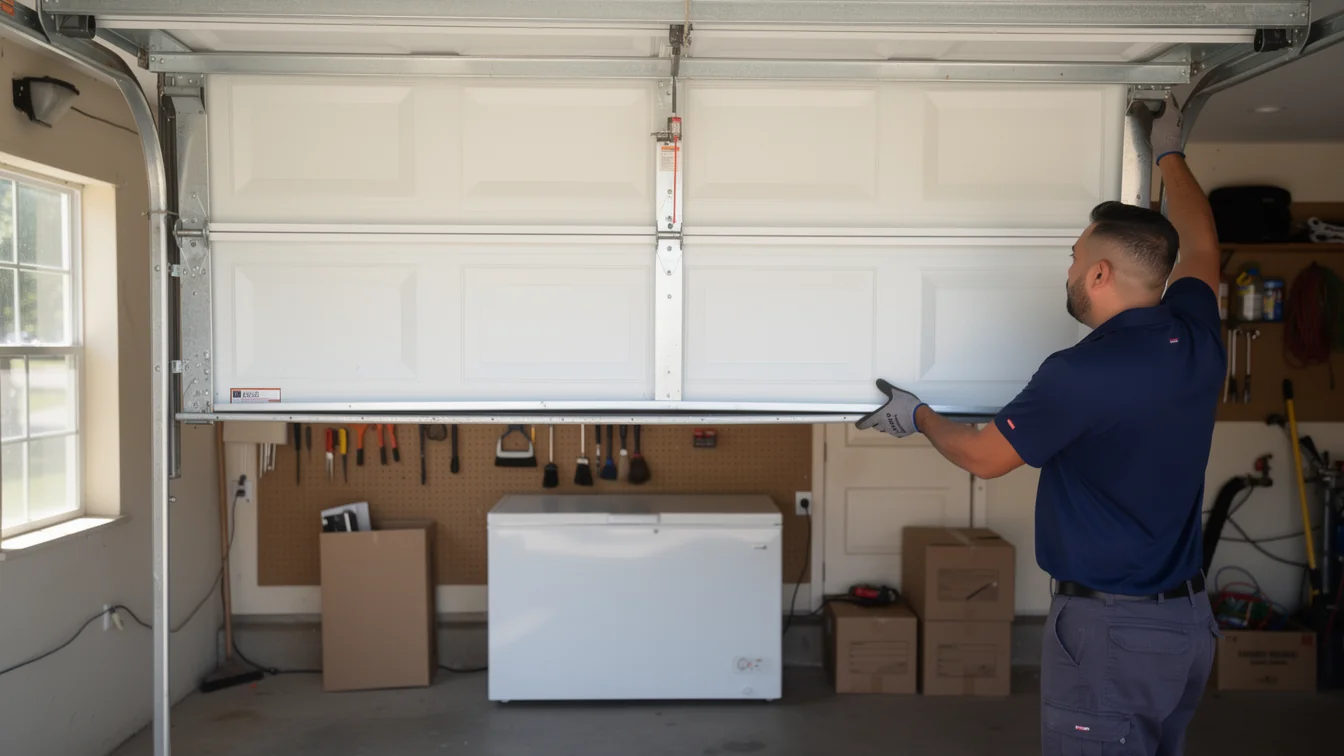
A look at what a Concord Garage Door Pros technician checks first, based on the age of Concord's housing stock and the mild temperate climate here.
- Repairs & new doors
- Springs & openers
- Serving 6 nearby communities
What Local Conditions Do
Most of the houses we get called to in Concord were built between 1938 and 2008, with a lot of that stock clustered in the 1960s and 70s across the named neighborhoods and areas that make up this part of the county. That matters because a door installed in 1968 doesn't have the same hardware as one from 2005, and the first thing a tech does is figure out which era he's dealing with. Older torsion setups often have single-spring systems rated for lighter sectional doors, and the track gauge is usually lighter too. A newer door from the 1990s or 2000s is more likely to have dual springs and rollers rated for insulated panels. Before touching anything, we look at the spring winding cones, the track brackets, and the opener mounting to get a read on when the system was put in versus when the house itself went up. Sometimes they don't match, because a door got replaced once already and the original torsion header never did. That mismatch is worth more diagnostic time than most people expect, and it's the reason we don't start with the opener - we start with the structure holding it up.
The Seasonal Bit
Concord sits in a mild temperate band, not the kind of climate that puts extreme stress on garage door hardware the way a hard freeze-thaw cycle does. That's a real limitation on what we can tell you: we don't see the cracked panel seams or frozen track issues that techs in colder regions deal with every winter. What we do see is slower, cumulative wear - lubricant drying out on rollers and hinges over years of moderate temperature swings rather than any single seasonal event. So the seasonal check here isn't about frost or heat warping; it's about whether the hardware has been serviced at all since the house was built. On a property from the 1960s or 70s stock common to this area, if nobody's touched the springs or rollers in a decade or two, dried-out lubrication and slow cable stretch are usually what we find, not storm damage or ice.
Checking It Yourself
Before you call anyone, a few things take two minutes. Pull the manual release cord and lift the door by hand - if it's heavy or uneven, the spring tension is off and that's not a DIY fix. Look at the cables on both sides of the bottom bracket; if one has frayed strands, stop using the door. Check whether the rollers are metal or nylon; on houses from the older end of Concord's 1938-2008 range, you'll sometimes find original steel rollers that have never been swapped, and those are loud and due. Last, listen to the opener motor - grinding or a delayed start usually points to the drive gear, not the door itself. One honest limit here: we can't diagnose a spring failure or a bent track over the phone with any confidence, and guessing at that over a call wastes your time and ours. A quick visual check like the ones above is useful; anything past that needs a tech standing in the garage.
What Is Going On
When a tech shows up, the first five minutes aren't spent on the opener - they're spent reading the door like a timeline. Given how much of Concord's housing dates to the 1960s and 70s, with the broader range running 1938 to 2008, the most common finding is original or first-replacement hardware that's simply aged out: dried torsion springs, stretched cables, and rollers that were never upgraded. Because the climate here doesn't put hard mechanical stress on the door the way freeze-thaw regions do, failures tend to be gradual rather than sudden - a spring that's been losing tension for years rather than one that snapped from cold-shock. That's useful information because it means most jobs we see are wear-and-replace, not storm-emergency repair. We check the spring date and wind count, the track alignment against the original bracket holes, and whether the opener was added later than the door itself. That sequence tells us more about what's actually wrong than starting the motor ever does.
Frequently asked questions
Why does the age of my house matter for a garage door repair?
Concord's housing runs from 1938 to 2008, with most built in the 1960s and 70s. Hardware from that era - spring type, track gauge, roller material - differs enough from modern doors that a tech needs to know the install date before ordering parts or diagnosing tension.
Does Concord's weather cause garage door problems?
Not in the way cold climates do. Concord's mild temperate band means we rarely see freeze-related cracking or ice-jammed tracks. Most of what we find is slow wear - dried lubricant, stretched cables - built up over years rather than caused by any one weather event.
Can you tell what's wrong with my door over the phone?
Not reliably. Spring tension and track alignment issues need a tech looking at the hardware in person. We can walk you through a basic visual check - cables, rollers, manual lift - but anything beyond that needs an actual visit.
Do you serve areas near Concord like Pleasant Hill or Clayton?
Yes, our service area includes nearby communities such as Pleasant Hill, Clayton, Pacheco, and Martinez, all within a few miles of Concord.
Related garage door services in Concord
More garage door guides
Book garage door service in Concord
Call now or request a quote - tell us what the door is doing and where you are.